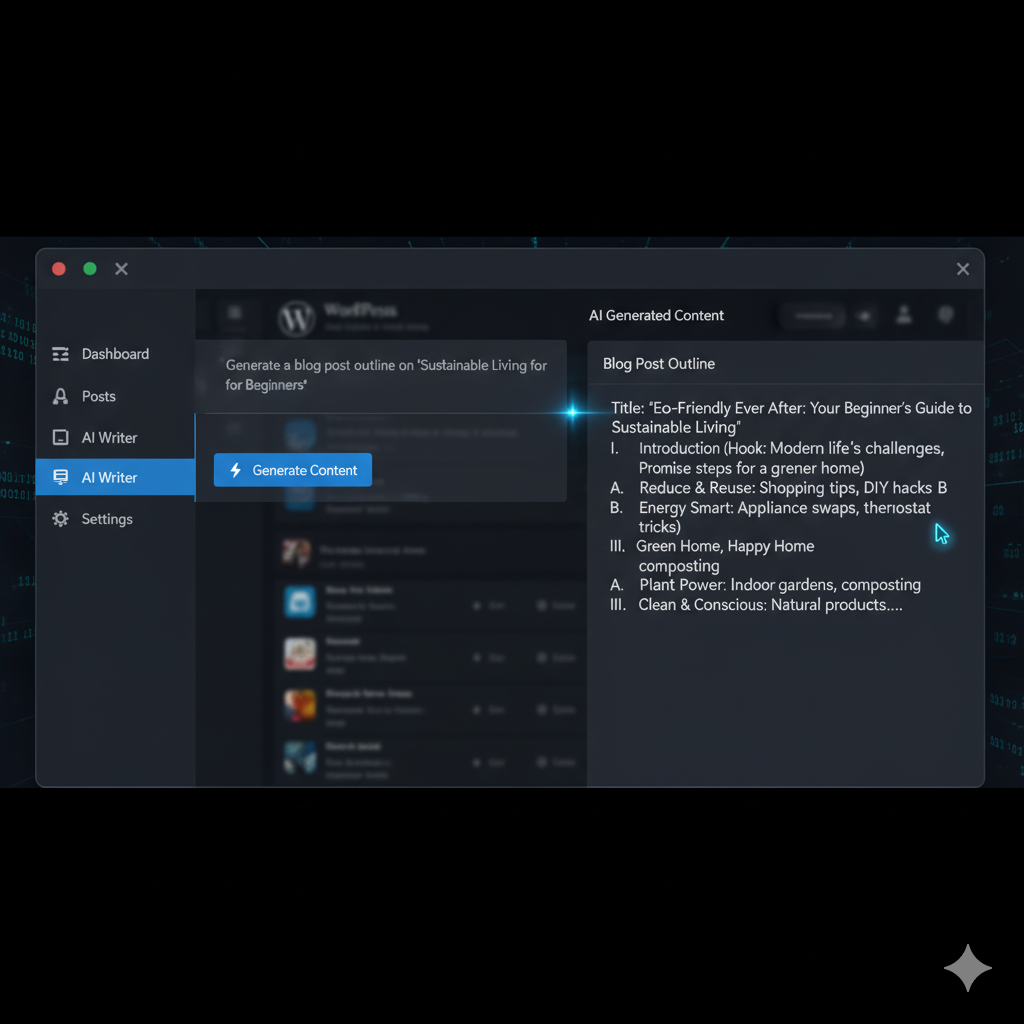




Creating high-quality content consistently is essential for any WordPress website. AI prompts can help you generate blog ideas, outline articles, or even write entire posts. For example:
Prompt Example: “Generate 5 blog post ideas about WordPress SEO for beginners.”
Prompt Example: “Write a 1000-word article on improving WordPress website speed.”
AI tools can suggest headings, meta descriptions, and keywords optimized for search engines. They can also adapt the tone of your writing—professional, casual, or engaging—depending on your audience. This reduces writer’s block and ensures consistent publishing schedules.
SEO is vital for WordPress visibility. AI prompts can help analyze content and provide actionable improvements.
Prompt Example: “Check this blog for SEO keywords and suggest improvements.”
Prompt Example: “Create meta descriptions and SEO-friendly titles for WordPress posts.”
AI can also recommend internal linking strategies, keyword density, and alt texts for images. Leveraging AI ensures your website ranks higher on Google without deep technical SEO knowledge.
A visually appealing website keeps visitors engaged. AI can suggest layouts, color palettes, and typography improvements.
Prompt Example: “Suggest a modern homepage layout for a WordPress tech blog.”
Prompt Example: “Provide a color palette for a lifestyle WordPress website.”
AI can also recommend image placement and font sizes to enhance readability.
Image Suggestion: Mockup of AI recommending website layouts or color palettes.
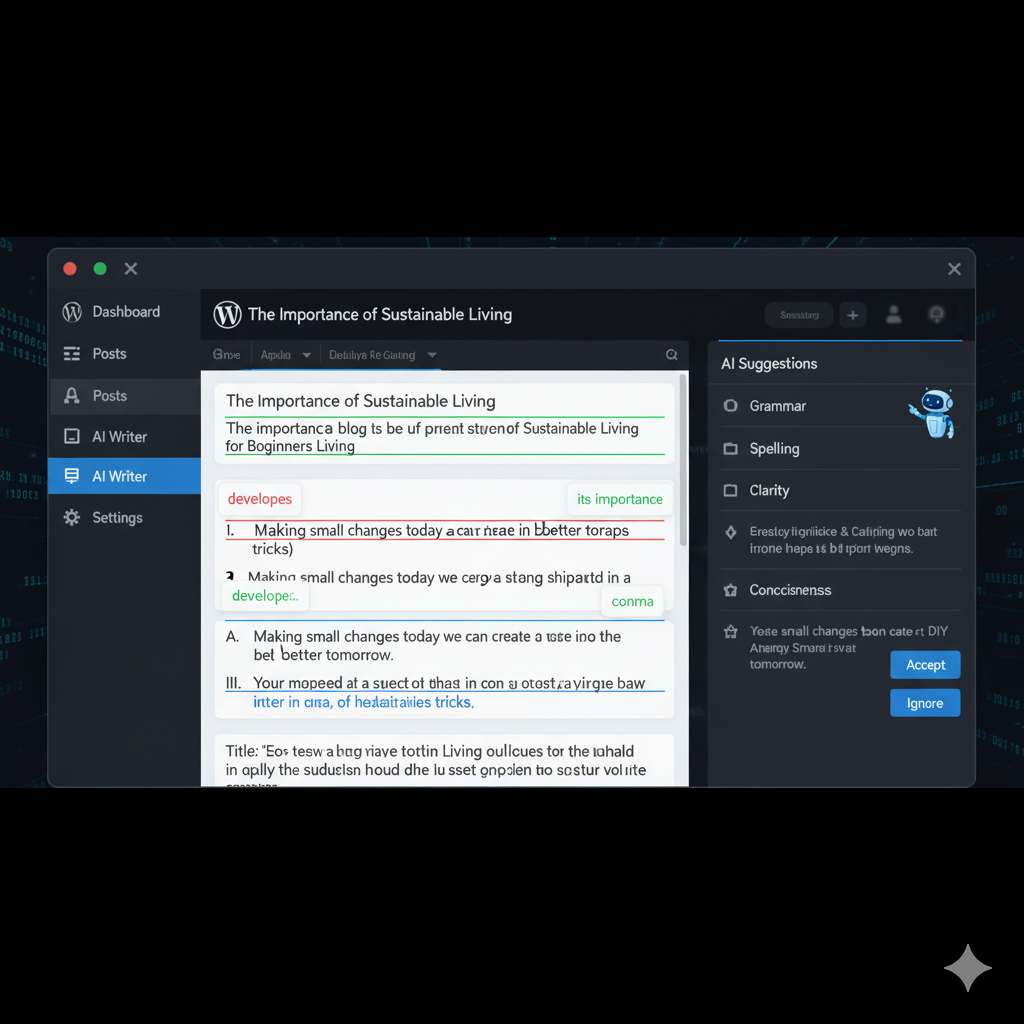
Even experienced writers need editing. AI can proofread, improve clarity, and enhance readability.
Prompt Example: “Proofread this WordPress blog post for grammar and readability.”
Prompt Example: “Make this article more engaging for beginners.”
AI ensures professional-quality content without hiring an editor, saving time and maintaining consistency.
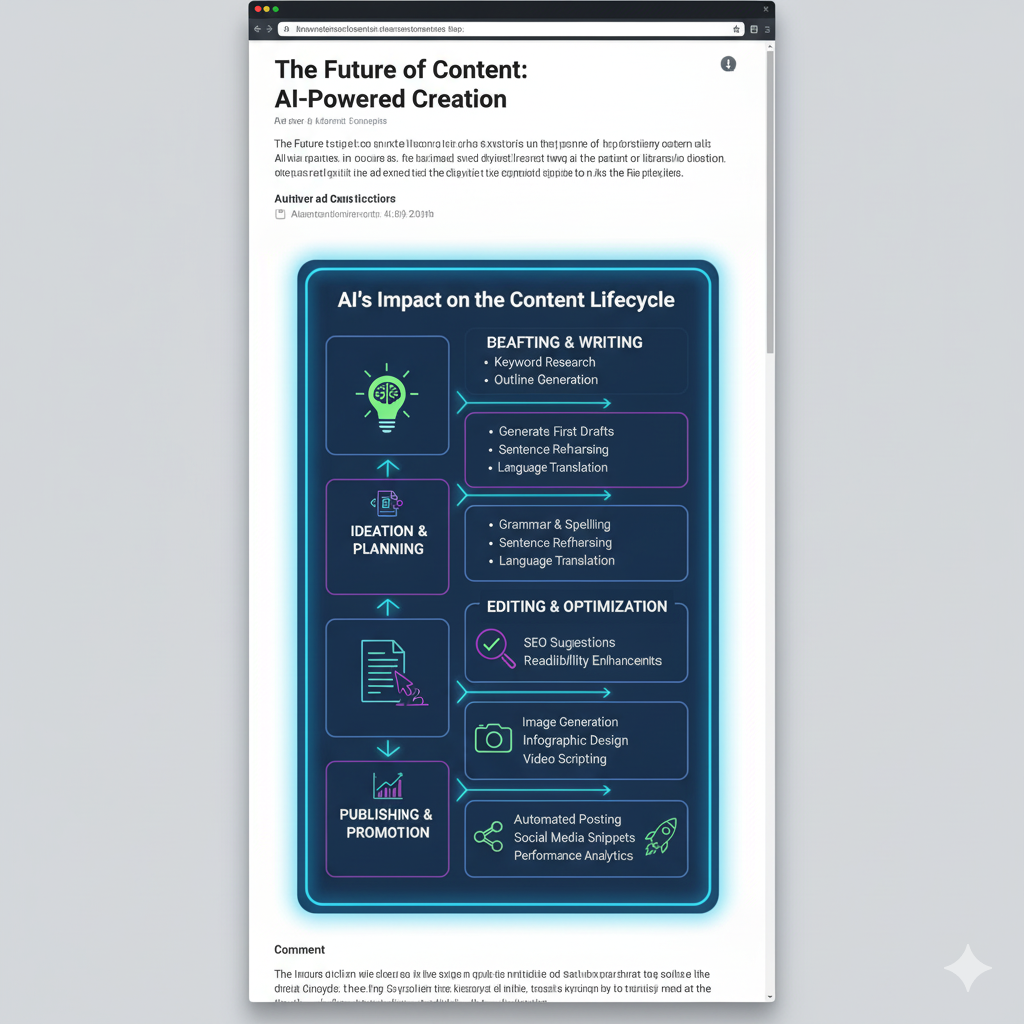
Visual content improves engagement. AI can suggest relevant images, infographics, and videos for your posts.
Prompt Example: “Suggest 5 images for a blog on AI in WordPress.”
Prompt Example: “Generate an infographic for improving website speed.”
This ensures content is visually appealing and supports the text.
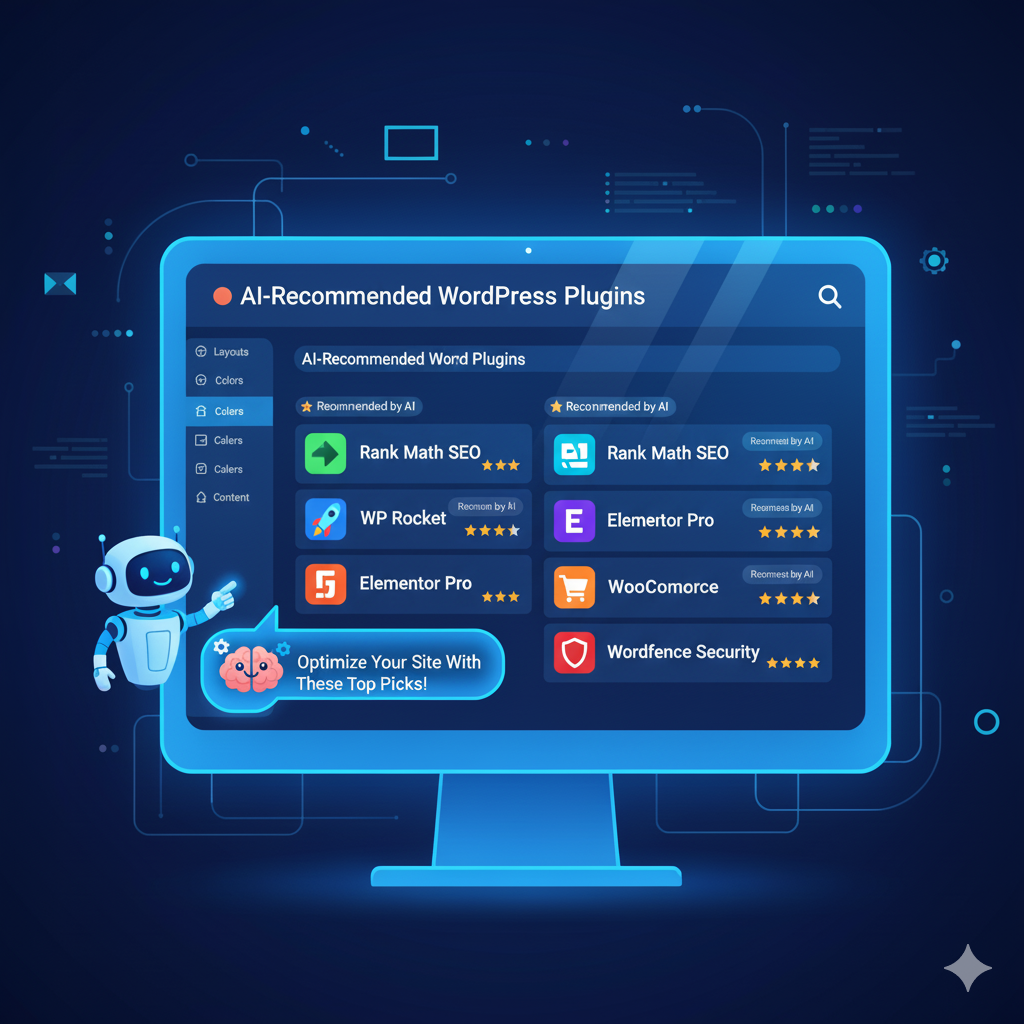
Choosing the right plugins can be overwhelming. AI can recommend plugins based on your website’s needs.
Prompt Example: “Suggest the best SEO plugins for WordPress in 2025.”
Prompt Example: “Recommend security plugins for beginner bloggers.”
AI reduces trial-and-error, ensuring your website remains secure, fast, and feature-rich.
AI can create captions, hashtags, and even scheduling suggestions for social media.
Prompt Example: “Generate 5 Instagram captions for my WordPress blog on AI.”
Prompt Example: “Suggest trending hashtags for WordPress-related posts.”
Automation ensures a consistent social media presence, driving traffic to your website.
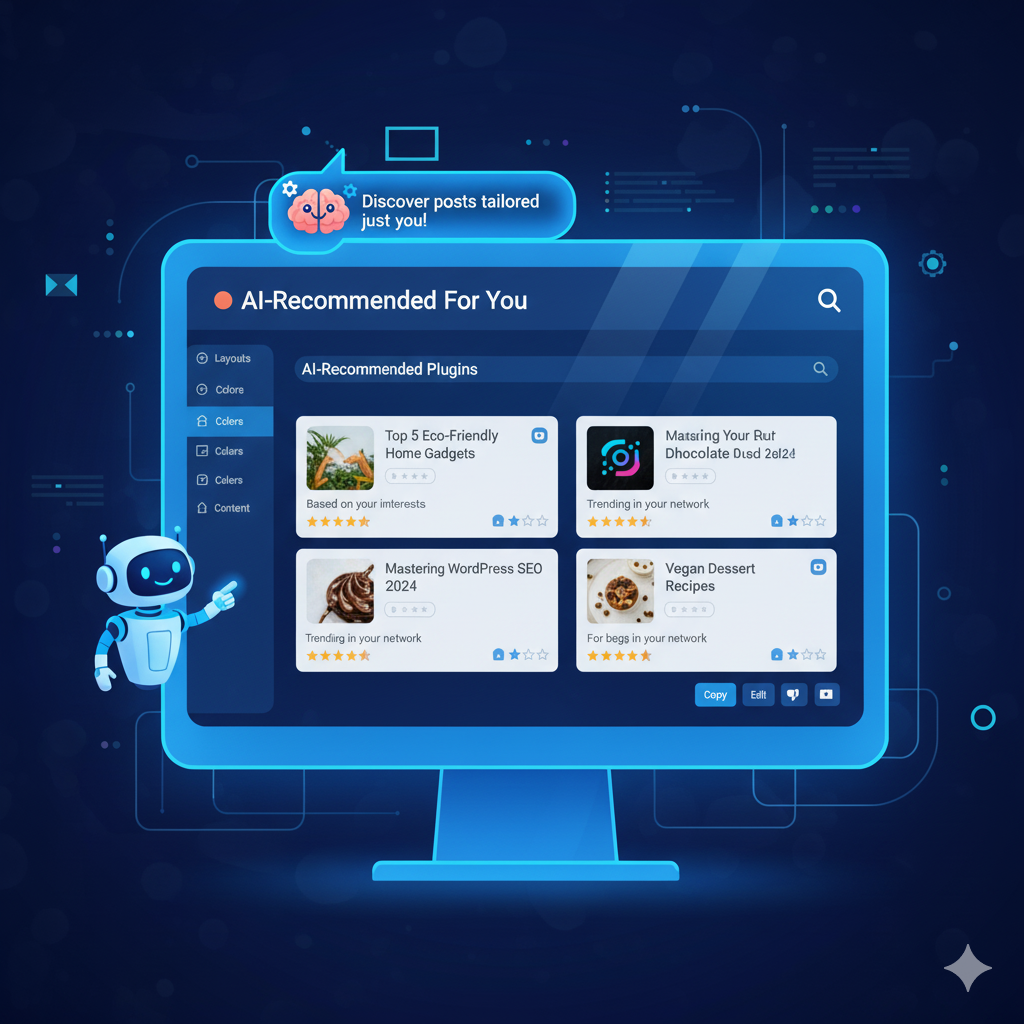
Personalized content increases engagement. AI can suggest dynamic content based on visitor behavior.
Prompt Example: “Recommend posts to a user based on their reading history.”
Prompt Example: “Generate AI prompts for content personalization for WordPress visitors.”
Personalization reduces bounce rate and encourages repeat visits.
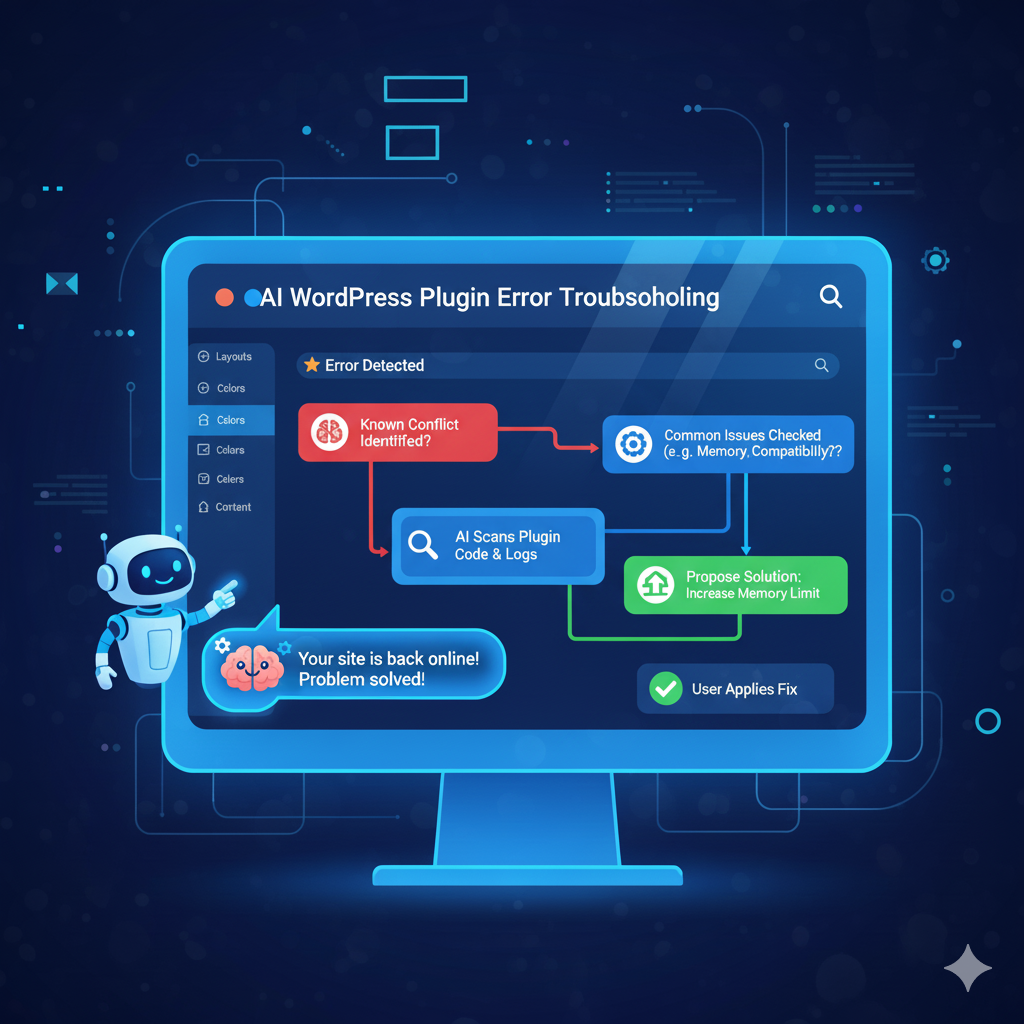
WordPress issues can be solved faster with AI guidance.
Prompt Example: “How to fix slow WordPress site loading?”
Prompt Example: “Suggest solutions for plugin conflicts in WordPress.”
AI provides step-by-step instructions, reducing dependency on forums or developers.
AI can analyze visitor data and suggest improvements for engagement and conversion.
Prompt Example: “Analyze my WordPress traffic and suggest ways to increase engagement.”
Prompt Example: “Provide insights for reducing bounce rate on blog posts.”
AI-driven insights help you make data-backed decisions to grow your website.