Imagine your website as a new café in a crowded city. You’ve built it beautifully, added a perfect menu, but no one knows it exists.
That’s where SEO (Search Engine Optimization) steps in — it acts like the signboard that guides people to your café.
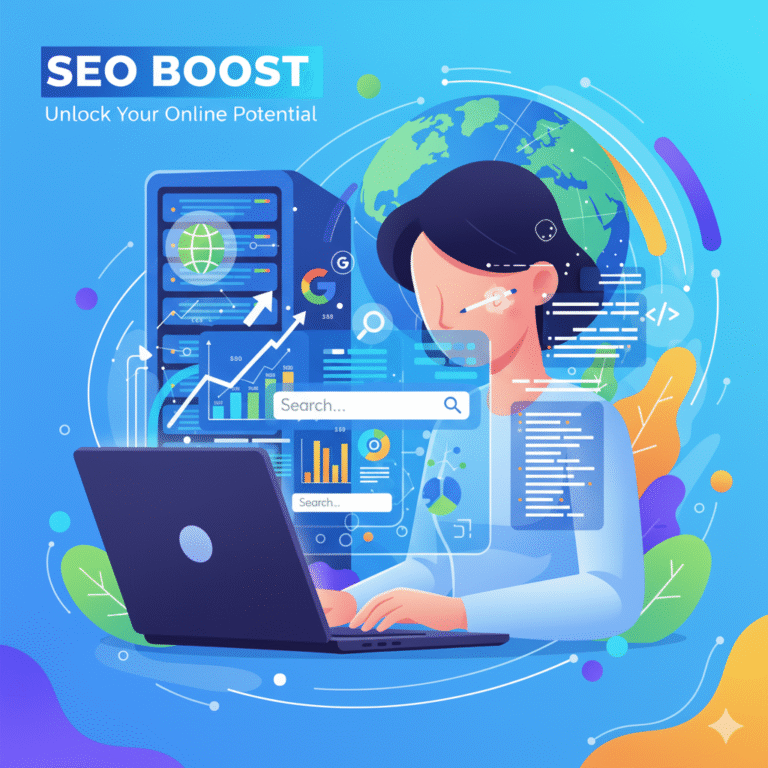
In simple words, SEO means optimizing your website so search engines like Google can find, understand, and rank it.
When someone searches for “best coffee near me” or “top marketing tips,” SEO helps your site appear in those results.
Think of it as your online GPS that leads users straight to your digital doorstep.
👉 Learn how to do keyword research to make your SEO journey easier.
Let’s face it — if your business isn’t online, it’s invisible. But even being online isn’t enough.
You need to be found, and that’s what SEO ensures.
Search engines like Google process billions of searches daily, and ranking high gives your business trust, traffic, and transformation.
Without SEO, even the best website becomes a ghost town — pretty, but deserted.
SEO helps:
Build credibility
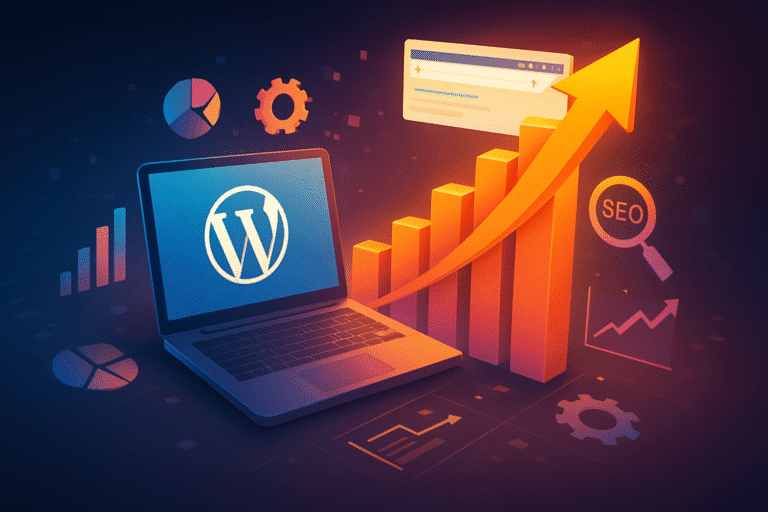
Increase organic traffic
Improve user experience
Generate long-term results
The answer to “SEO what is it” lies not in ranking, but in earning trust through visibility.
Picture Google as a librarian managing the world’s biggest library.
When you search for something, it quickly finds the most relevant book (website) from millions.
This magic happens because of SEO.
Here’s how it works:
Crawling: Google’s bots explore your site.
Indexing: It stores your pages in its massive library.
Ranking: When users search, Google shows the most relevant and optimized pages.
If your content is well-written, fast-loading, and keyword-friendly, Google will gladly recommend it.
That’s how “SEO what is it” turns into “SEO works wonders.”
If SEO were a person, on-page SEO would be its personality.
It’s about making every page of your site appealing, structured, and easy to understand — not just for Google, but for humans too.
Optimizing titles and meta descriptions
Using focus keywords naturally
Adding internal and external links
Creating mobile-friendly layouts
Improving readability
When someone lands on your site, they should feel like they’ve found exactly what they were searching for.
That’s the charm of effective on-page SEO — it converts readers into loyal fans.
Ever heard the saying, “Your reputation precedes you”?
That’s exactly what off-page SEO does. It builds your site’s credibility outside your website.
When other websites link to you, Google sees it as a vote of confidence.
The more high-quality backlinks you have, the higher your authority becomes.
That’s why link building, guest posts, and social media sharing matter.
Off-page SEO answers “SEO what is it” by showing how trust and relationships shape your ranking destiny.
If SEO were a car, technical SEO would be its engine.
You can’t see it, but without it, the car won’t move.
Technical SEO ensures your website is:
Fast-loading
Mobile-responsive
Secure (HTTPS)
Properly structured with schema
Google loves websites that load fast and don’t confuse its crawlers.
So next time you hear “SEO what is it,” remember — it’s not just about words; it’s about performance too.
So next time you hear “SEO what is it,” remember — it’s not just about words; it’s about performance too.
You can’t talk about SEO without mentioning content.
Content is what users read, share, and love. But to make it shine, it needs the SEO touch.
A perfect blog post balances:
Storytelling + Value
Keyword usage
User intent
Clear call-to-actions
When users feel like you’re speaking to them, they stay longer — and Google notices that love.
Let’s say you run a salon in Mumbai.
You want nearby customers to find you when they search “best salon near me.”
That’s where Local SEO comes in.
It helps businesses appear in Google Maps, local listings, and near-me searches.
Local SEO means optimizing your Google Business Profile, adding reviews, and keeping NAP (Name, Address, Phone) consistent.
When someone asks, “SEO what is it?”, tell them — “It’s the reason people near you find you.”
Gone are the days of keyword stuffing.
Today’s SEO is smart, conversational, and driven by AI and user intent.
People no longer type just “SEO what is it.”
They ask, “Hey Google, how can SEO help my business grow?”
This means your content must speak naturally, answer questions, and build authentic connections.
Voice search, AI-generated results, and visual content are the new frontiers.
At its heart, SEO isn’t about algorithms — it’s about humans.
It’s about understanding what people search for, helping them find it, and building trust.
The story of “SEO what is it” ends where it truly begins — with you.
If you focus on helping your audience, Google will naturally reward you.
SEO isn’t a hack; it’s a human connection through the power of relevance.
So, next time you think about SEO, don’t see it as a technical headache.
See it as a bridge that connects your story to your audience’s heart.
That’s the true meaning of SEO what is it and why it matters more than ever.